I’ve spent the last nine years in the trenches of SEO and analytics, moving from agency strategy to architecting enterprise-grade attribution setups in GA4 and Adobe Analytics. If there is one thing I’ve learned, it’s that "visibility" is a meaningless term unless it is tethered to a measurable revenue channel. As we pivot from traditional search to Generative Engine Optimization (GEO), the industry is drowning in buzzwords, but starved for actual data.
When I sit down to build a dashboard for https://highstylife.com/how-do-i-track-domain-citations-across-ai-platforms/ a multi-market brand, I have one non-negotiable question: "What would I show in a weekly report?" If a metric can't be trended, segmented, or tied to a business outcome, it’s just noise. This brings us to the evolution of technical audits: the GEO crawlability check.
Defining Crawlability Checks in the Age of GEO
Traditional crawlability is simple: can Googlebot find your page? GEO crawlability is infinitely more complex. It isn't just about indexation; it’s about ingestion. Does an LLM’s Retrieval-Augmented Generation (RAG) pipeline consider your content a high-authority source for the prompts that matter to your business?
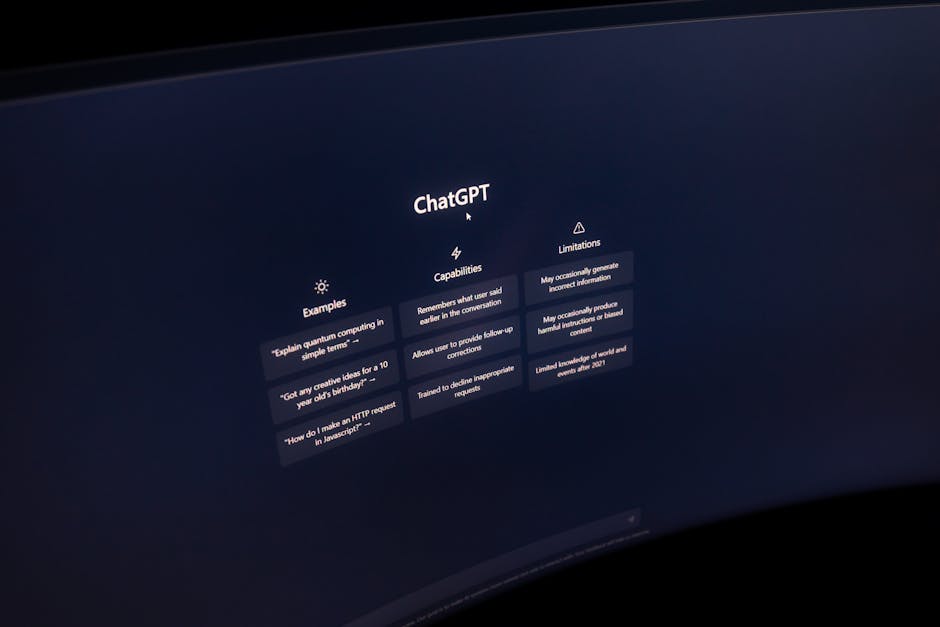
A GEO technical audit is the process of verifying that your structured data, content architecture, and entity relationships are optimized not for a blue link, but for an answer generation top alternatives to profound ai engine. If your site isn't technically structured to be cited by models like ChatGPT, Claude, or Perplexity, you aren't invisible—you are irrelevant.
The Metrics That Actually Matter (And Why "Tracking Everything" Is a Lie)
I get annoyed when I hear vendors claim they "track everything." That’s a red flag. As an analyst, I want to see the specific engine coverage. Are we tracking OpenAI’s GPT-4, Google’s Gemini, and Perplexity? What is the database size of their prompt repository? How often is the data refreshed? Without these details, you’re looking at a black box.
When you perform a crawlability check, you should be focused on three distinct tiers of data:
- Brand Mentions vs. Citations: A mention is a byproduct of existence. A citation is a high-value signal indicating the model chose your brand as the "source of truth." Share of Voice (SoV) in Answers: This is your market share within the AI-generated response space. It’s calculated by the frequency of your domain appearing in the top positions of synthesized answers for high-intent queries. Content Discoverability: The ability of a model to crawl and associate your page content with specific entities mentioned in user prompts.
Integrating GEO Data into Your Analytics Stack
One of the biggest failures I see in modern SEO is the silos between AI search visibility and traditional web analytics. You shouldn't be treating these as separate universes. Whether you are using a GA4 integration or an Adobe Analytics integration, you need to pull your AI visibility data into the same warehouse as your conversion data.
If a model cites your brand, does that lead to a jump in branded search or direct traffic? If you can’t correlate an increase in AI citations with a shift in your GA4 engagement metrics, you are flying blind. We need to stop reporting on "AI rankings" and start reporting on "AI-attributed contribution to the funnel."
Recommended Tooling Ecosystem
In my current stack, I rely on a mix of legacy tools and AI-native platforms. Note that pricing models vary wildly across these vendors, and I won't provide specific costs here as they fluctuate based on enterprise volume and seat count.
Tool Primary Function Engine Coverage Semrush Technical site audit, long-tail keyword research, and competitor benchmarking. Traditional Google SERPs (not native AI search). Peec AI Focused on GEO-specific crawlability and prompt-based content visibility. OpenAI, Google Gemini, Perplexity, and others. Otterly AI Monitoring AI search results and providing alerts on brand citation changes. Broad LLM/AI search surfaces.Why Prompt Databases and Data Depth Are Critical
A crawlability check is only as good as the prompt database it uses to test your site. If a tool tests your site using 50 generic prompts, the data is useless. You need deep-dive prompt databases that simulate high-intent consumer behavior for your specific industry.
When I conduct a GEO technical audit, I look for:
Entity Mapping: How well does the RAG system link my brand entity to the concepts I want to rank for? Data Freshness: How quickly do changes to my site’s content update in the model’s "view" of my brand? Prompt Sensitivity: If I change the phrasing of a prompt, does the model still surface my content, or is my discoverability fragile?The Weekly Reporting Standard
If you take nothing else away from this, take this: What would I show in a weekly report?
Stop sending your stakeholders a list of "keywords I rank for in AI." Start sending them a summary of:

- Citation Volume Growth: Are we being cited more frequently this week compared to last week across our core product categories? SoV Variance: Did we lose ground to a competitor in AI-generated answers for our top-priority queries? Attribution Impact: Can we see a correlation between AI citations and the conversion events captured in our Adobe Analytics instance?
Common Pitfalls: Don't Fall for the "Magic Box"
I frequently see teams fall into the trap of using tools that hide their methodology. If a tool cannot tell you exactly which engines they crawl, how they simulate the RAG architecture, and what their update cadence is (e.g., daily, weekly, or upon request), walk away. "Proprietary AI algorithms" is a phrase usually meant to hide a lack of actual engineering depth.
Content discoverability is not magic; it is technical hygiene. It is schema, it is clear entity extraction, and it is server-side structure. If you are failing your GEO crawlability checks, you can spend all the money in the world on "AI optimization" and see zero return.
Final Thoughts: Moving Forward
The transition to AI search isn't the death of SEO; it's the professionalization of it. It requires moving away from the "hacky" SEO of the 2010s and toward a more robust, data-driven approach. Start by auditing your current technical setup, integrate your AI visibility data into your existing analytics suites like GA4 or Adobe, and demand transparency from your vendors regarding their engine coverage.
We are no longer just optimizing for crawlers; we are optimizing for reasoning engines. It’s time to start treating the data with the level of rigor that enterprise marketing requires.