With AI-powered assistants like ChatGPT and Perplexity gaining traction, product pages face a new challenge: getting cited directly in AI-generated answers. This is a significant shift from traditional SEO, where ranking on search engine result pages (SERPs) mattered most. Now, AI often serves concise, aggregated answers that may or may not link back to source pages.
In this post, we'll break down how to optimize product pages for AI citations — turning them into factual, credible, and structured sources that AI assistants prefer to reference. I'll also clarify why AI SEO differs fundamentally from classic SEO and why understanding search fragmentation and the answer layer is critical in 2024.
Contents
Search Fragmentation Across AI Assistants The Answer Layer and Click Interception AI Citations as Mind-Share AI SEO vs. Classic SEO Making Product Pages AI-Friendly Things We Can MeasureSearch Fragmentation Across AI Assistants
The world of search has splintered with multiple AI assistants competing to answer queries:
- ChatGPT leverages conversational AI with deep context but often cites generically or not at all. Perplexity Google Bard
This fragmentation means product pages no longer just compete for a single slot on Google’s SERP but must be structured and credible enough to be cited by a variety of AI systems with different architectures and citation behaviors.
What Queries Trigger AI Citations?
Your product page gets cited when the AI assistant judges it to be a trusted factual source for queries involving:
- Factual claims (e.g., “Does product X support feature Y?”) Feature comparisons (e.g., “Product X vs Product Y battery life”) Structured details (pricing tiers, technical specs, supported platforms)
Understanding these trigger queries is crucial. AI assistants tend to cite sources that clearly answer factual questions and have structured content that matches the underlying intent.
The Answer Layer Intercepting Clicks
The “answer layer” refers to the interface where AI-powered assistants generate direct answers, often intercepting clicks before users reach your website.
Unlike classic organic clicks on SERPs, AI answers can capture user mind-share with one summarized reply yet incorporate a citation or link back to your product page. But these citations could be limited, partial, or formatted in ways that impact click-through rates.
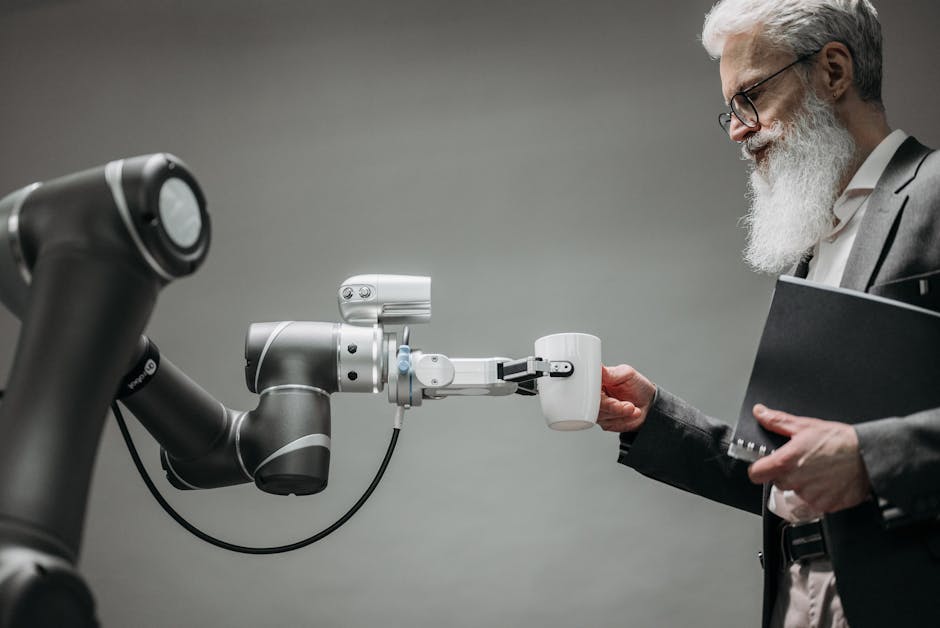
- The answer layer may reduce overall organic traffic volumes. However, appearing as a reliable citation boosts brand trust and can increase direct visits later. AI citations act as a form of “mind-share” or brand association even if they don’t immediately convert clicks.
AI Citations as Mind-Share
One common misconception is that lack of a click equals failure. In AI search, citations themselves are a valuable form of mind-share.
When an AI assistant cites your product page, it signals to the user that your content is authoritative and factual. This can lead to:
- Enhanced brand perception Increased downstream direct and organic traffic Greater trust in your product’s claims
Hence, it's critical to prioritize content that AI will cite even if the answer layer doesn’t always drive immediate clicks.

AI SEO as Distinct From Classic SEO
Traditional SEO focuses heavily on:
- Keywords and meta tags Backlinks and domain authority Ranking improvements on SERPs
With AI SEO, the goals and methods shift:
- Structured factual claims replace broad keyword targeting to satisfy AI’s answer extraction. Clear feature comparisons allow AI to draw direct contrasts with other products. Content segmentation into well-labeled sections lets AI isolate relevant answers quickly. Explicit sourcing and transparent data build credibility for AI citation.
This means repurposing product pages away from marketing fluff and toward transparent, data-driven, easy to parse information.
Making Product Pages AI-Friendly
Here are actionable strategies to make product pages more likely to be cited by AI assistants:
1. Use Structured Sections with Clear Headings
- Break out features, specs, pricing, and comparisons into distinct, titled sections. Use simple and consistent HTML tags such as and for these sections. Example:
Key Features
- Waterproof up to 50m
- Battery life: 12 hours
2. Make Factual Claims Explicit and Verifiable
AI wants to source factual, verifiable information. Avoid vague language like “best in class.” Instead, state concrete facts:
- “Supports 5G networks across 4 continents” “Rated IP68 for dust and water resistance” “Battery life up to 4500mAh, lasting 15 hours of continuous use”
Include citations or links within your content how to improve ai search visibility if referencing third-party data.
3. Provide Feature Comparisons Within the Page
Comparisons encourage AI to view your page as a useful source for direct contrasts between products. Use tables or bullet points to compare:
Feature Product A Product B Battery Life 12 hours 10 hours Weight 200g 180g Warranty 2 Years 1 Year4. Use Schema Markup for Product and Review Data
Implement Product schema and Review schema to help AI better parse structured data about your product.
5. Optimize for Factual Queries
Analyze your traffic and identify queries that trigger factual answers rather than broad information or opinion. Tailor your content to cover these in-depth.
6. Include Clear Source Attribution
Where applicable, note sources of technical specs or third-party certifications. This builds trust signals that AI assistants value.
Things We Can Measure
Before committing to AI citation optimization, track these metrics to measure impact:
- AI mention volume: Number of times your product is cited by AI answers (tools like Perplexity can help track this). Click-through rate on AI citations: How often users follow AI citations to your page. Keyword visibility for factual queries: Rankings or presence in AI-only results for factual claims. Traffic changes from branded and product-name queries. Structured data visibility: Audit schema implementation and consistency.
Conclusion
Making product pages more likely to be cited by AI assistants like ChatGPT and Perplexity requires a shift from traditional SEO tactics. You must focus on clear, structured factual claims and feature comparisons that AI systems can easily parse and verify. Understanding search fragmentation and the role of the answer layer is critical to navigating this new AI-driven search landscape.
AI citations build valuable mind-share and brand trust, even if they don’t always result in immediate clicks. Optimizing content for AI SEO is not “just SEO” rebranded — it demands a distinct mindset and content strategy focused on structured, verifiable knowledge.
Start by auditing your product pages under this lens and prioritizing measurable improvements. This will position your product pages to be a trusted source that AI assistants cite repeatedly and reliably.